Freeze warning
Updated
A freeze warning from the National Weather Service means air temperatures are forecast to fall below 32F for a long stretch during the growing season. It is a step up from a frost advisory, which means light frost can develop while the air stays a few degrees above freezing.
Right nowKp 1.33as of See every state
Aurora forecast and conditions:swpc.noaa.gov.
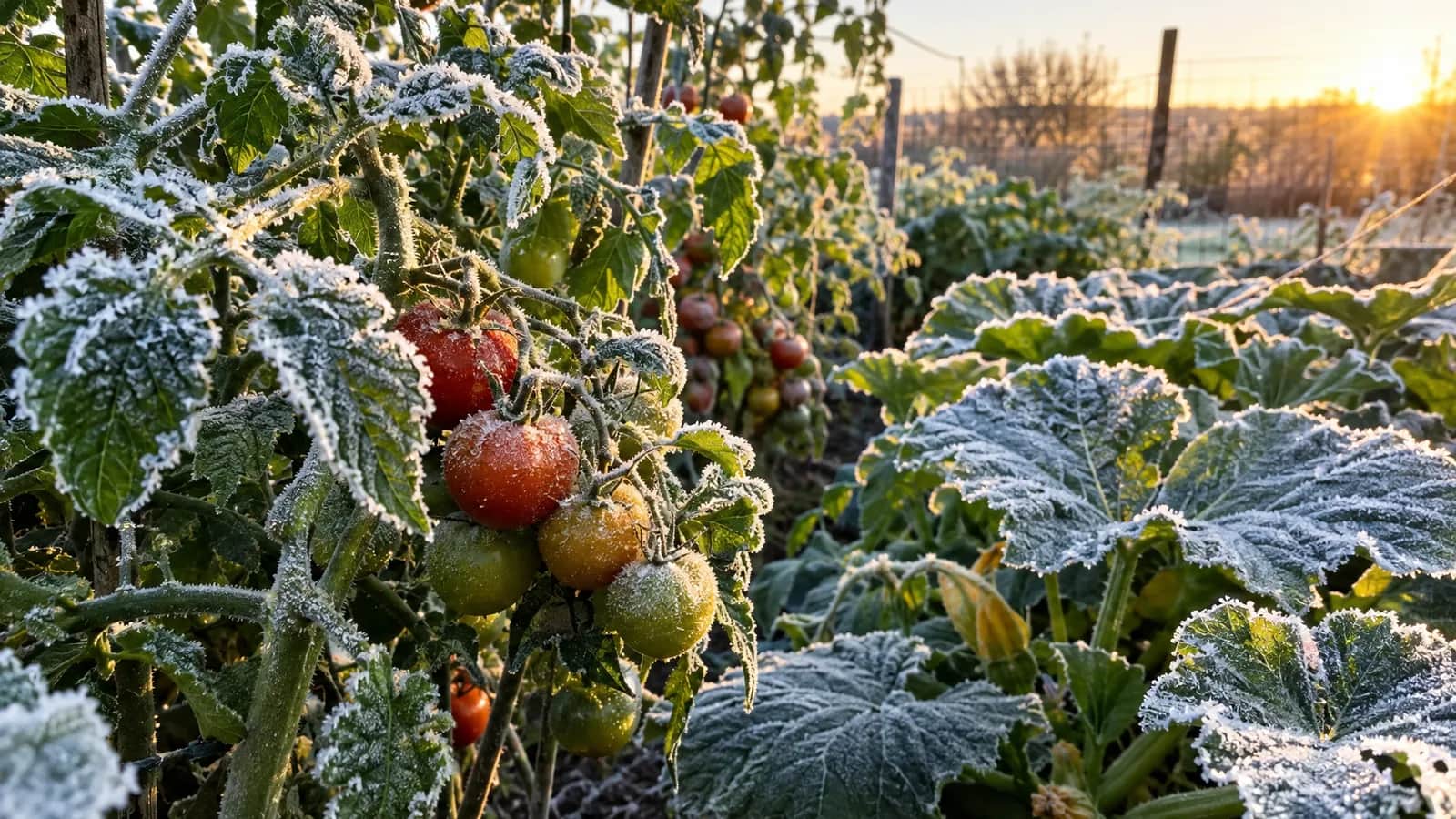
How freeze warnings, freeze watches, and frost advisories differ
| Alert | What it means | Temperature | What to do |
|---|---|---|---|
| Freeze Warning | Temperatures below freezing for a long stretch, enough to damage plants | Below 32F | Cover plants, harvest, drain hoses and faucets, bring pets in |
| Freeze Watch | Widespread freezing possible within 24-36 hours | Below 32F possible | Plan to protect plants and pipes |
| Frost Advisory | Frost expected or occurring, a threat to sensitive plants | Air temp can be above 32F on clear, calm nights | Cover frost-sensitive plants |
Why freeze alerts follow the growing season
These alerts only run while plants are actively growing. The growing season starts in spring and ends after the first hard freeze in autumn. Once that first hard freeze arrives, the National Weather Service stops issuing freeze warnings, watches, and frost advisories until spring.
The National Weather Service reports that most commercial crops and residential plants die when temperatures stay below 28F for an extended period. A hard freeze in January, when nothing is growing, gets no product because there is no sensitive vegetation left to protect.
What to do before the freeze
- Cover or bring in sensitive plants.
- Harvest any ripe fruits and vegetables.
- Drain garden hoses and irrigation lines.
- Disconnect and drain outdoor faucets.
- Bring pets inside overnight.