Blizzard warning
Updated
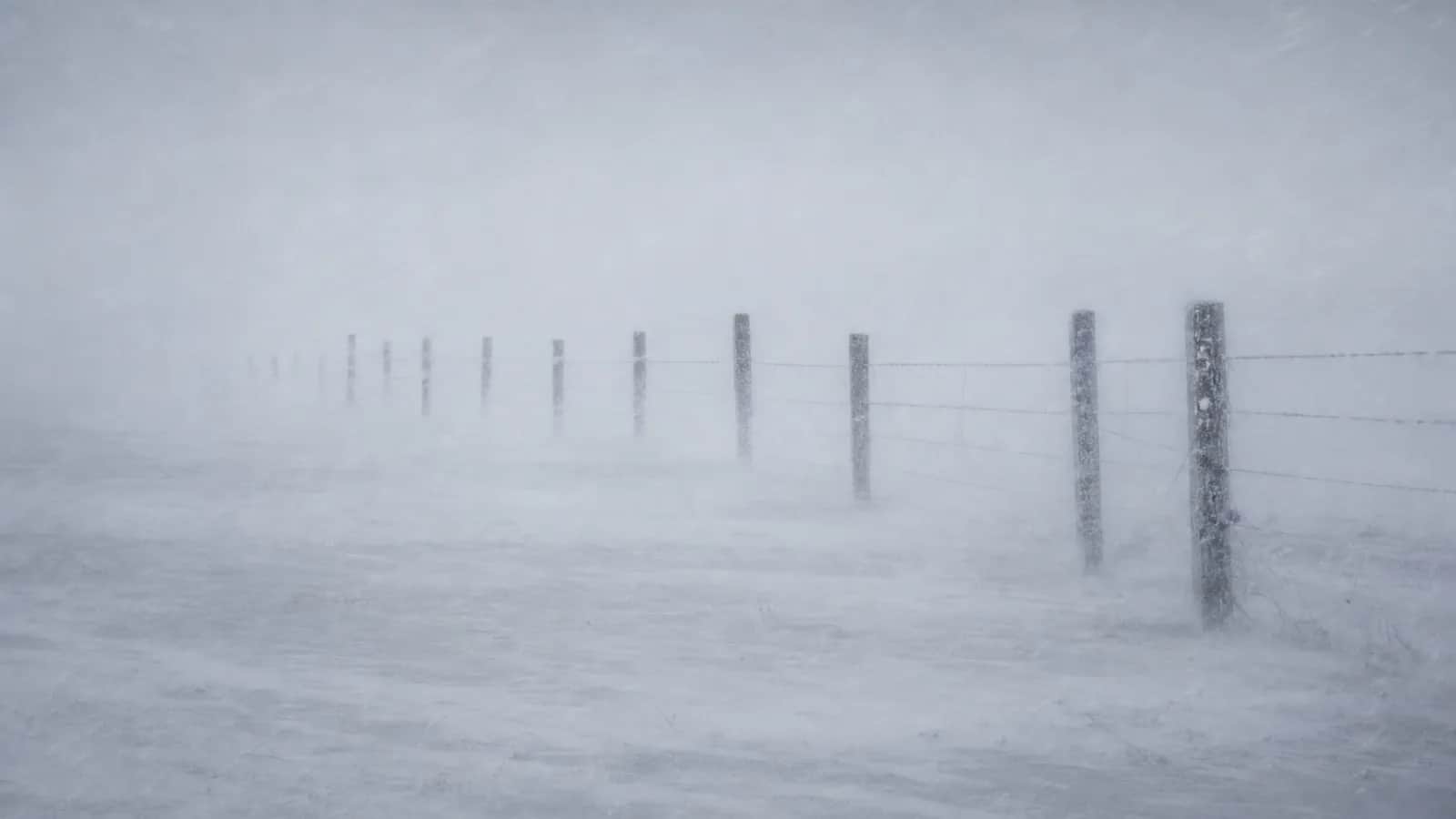
A Blizzard Warning is issued by the National Weather Service when wind gusts of 35 mph or more combine with falling or blowing snow to cut visibility to under a quarter mile for three hours or longer. How much snow accumulates does not affect whether a Blizzard Warning goes out.
Right now0Blizzard warnings in effectas of Snow totals by state, measured
WeatherTotals issues no alerts or warnings. Official warnings: weather.gov.
How do the three winter warnings differ?
| Warning | What triggers it | How long it lasts | How it reaches you |
|---|---|---|---|
| Blizzard Warning | Falling or blowing snow, together with gusts of 35 mph or stronger, holds visibility under a quarter mile | At least 3 hours | No phone alert goes out. The warning is available on weather.gov, NOAA Weather Radio, broadcast TV and radio, and weather apps. |
| Winter Storm Warning | Significant snow, ice, or sleet; local thresholds, such as 5 inches in the Washington-Baltimore area | Varies with the storm | Broadcast TV and radio, weather.gov, and NOAA Weather Radio carry it. No alert is sent to phones. |
| Snow Squall Warning | Fast-moving band of heavy snow with visibility under 1/4 mile | Under an hour in a given spot | Phone alert only when tagged Significant, starting with the 2023-24 winter |
Ground blizzards and watches
A ground blizzard has no new snow. Strong winds pick up snow already on the ground and blow it horizontally, sometimes dropping visibility to near zero. These events are most common on the northern Plains.
On October 1, 2017, the National Weather Service retired the old Blizzard Watch and replaced it with the Winter Storm Watch. Forecasters now move the sequence from a Winter Storm Watch to a Blizzard Warning once they expect strong gusts and whiteout conditions.
What should you do?
- Stay indoors and avoid travel until the warning ends.
- If you are stranded in a car, stay with it.
- Run the engine for about 10 minutes each hour, keep the exhaust pipe clear, and crack a window.
- Tie a bright cloth to the antenna to help rescuers spot you.
- Do not leave the car to walk for help in a whiteout.