Frost advisory
Updated
A frost advisory is an alert from the National Weather Service that frost is expected and may harm sensitive plants, with the forecast office in Sterling, Virginia using overnight lows between 33F and 36F with clear, calm skies as its criteria. Other local forecast offices set their own criteria and issue advisories during the growing season.
Right now6Frost advisories in effectas of Yesterday's official highs and lows
WeatherTotals issues no alerts or warnings. Official warnings: weather.gov.
Frost advisory, freeze watch, and freeze warning compared
| Alert | What it means | Temperature | What to do |
|---|---|---|---|
| Frost Advisory | Frost is expected or occurring and may harm sensitive plants. | Typical range 33F to 36F on clear, calm nights. | Cover tender plants overnight and bring potted plants indoors. |
| Freeze Watch | Significant and widespread freezing is possible within 24 to 36 hours. | Below 32F possible. | Prepare covers and plan to move plants indoors if the watch becomes a warning. |
| Freeze Warning | Some crops can die when air temperatures stay below 32F for a long period; most crops and residential plants can die when readings fall below 28F for a long stretch. | Below 32F for a long period. | Protect plants and harvest tender crops before the cold arrives. |
Why frost forms above 32F
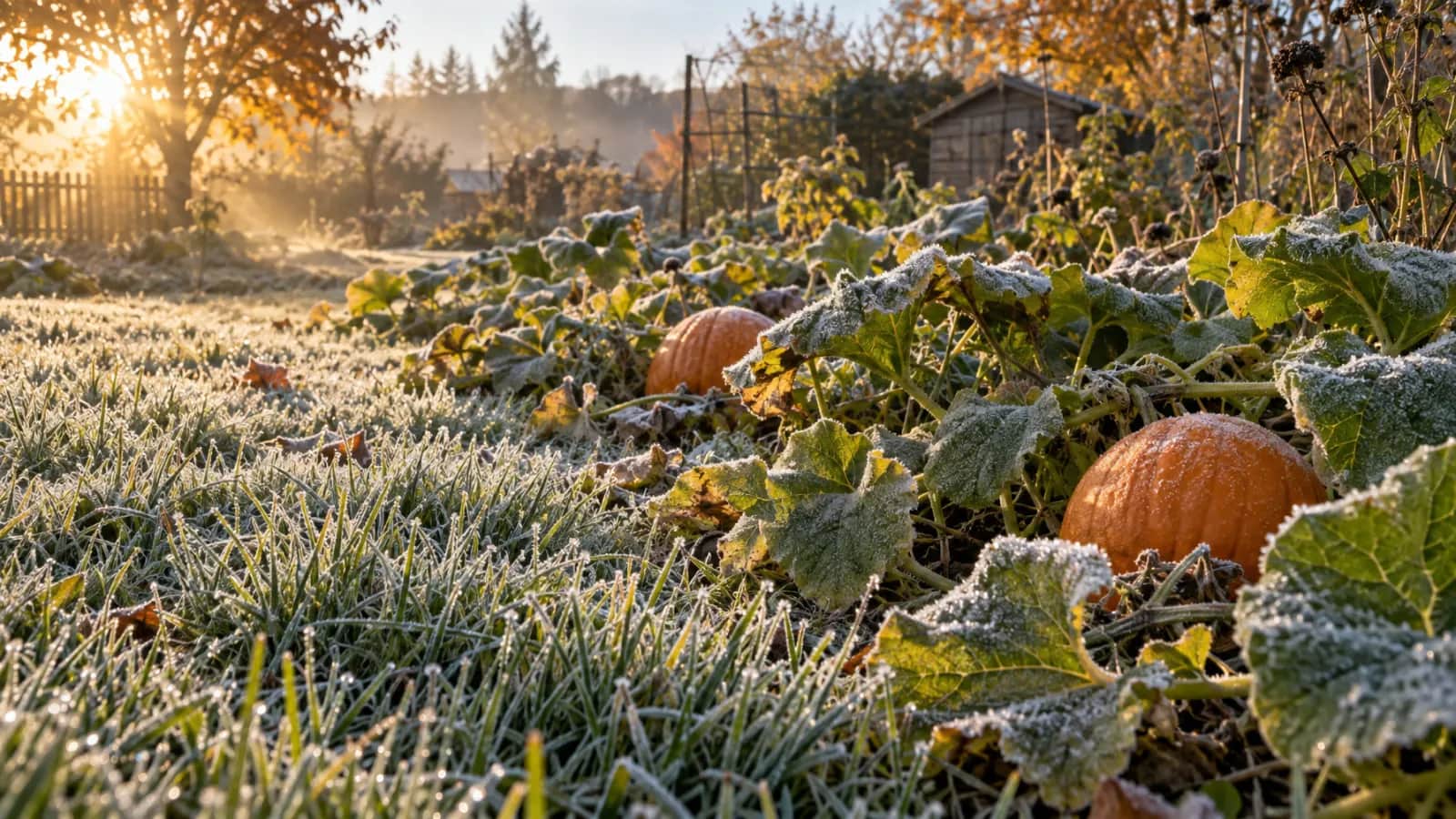
The National Weather Service measures air temperature with a thermometer about 6 feet (2 meters) above the ground. On clear, calm nights, grass, leaves, and car roofs can lose heat to the open sky and drop below freezing while the official reading still sits in the mid 30s.
The Frost Advisory exists to warn gardeners that sensitive plants can be damaged by this surface frost, even when the air temperature stays above freezing.
When frost advisories stop for the year
Frost advisories are a growing-season product. The National Weather Service issues them only while tender plants are in the ground and at risk. Once the first widespread freeze hits, the season is over and no more advisories follow until spring, however cold it gets.
The usual arrival dates for the first widespread freeze in the area covered by the Sterling, Virginia office are west of the Blue Ridge in mid to late October and east of it in early November. Spring brings the cycle back once new plants are out. On October 1, 2024, the Hard Freeze Warning was folded into the Freeze Warning under the National Weather Service hazard simplification.
What to do before a frost
- Tender plants need covering overnight with sheets or frost cloth that reaches the ground.
- Keep plastic off leaves.
- Bring potted plants indoors for the night.
- Pick ripe tomatoes, peppers, basil, and any other tender crops before the cold sets in.
- Remove covers the next morning once the frost has melted.