Winter storm watch
Updated
A Winter Storm Watch is issued by the National Weather Service when a significant winter storm could develop, but the timing and track are not yet locked in. It usually comes a day or two before the storm, giving you time to get ready. As the forecast firms up, forecasters upgrade the watch to a Winter Storm Warning, downgrade it to a Winter Weather Advisory, or cancel it.
Right nowKp 1.33as of See every state
Aurora forecast and conditions:swpc.noaa.gov.
Watch vs warning vs advisory
| Product | What it means | How certain | What to do |
|---|---|---|---|
| Winter Storm Watch | Favorable for heavy snow, sleet, ice, or blowing snow | Possible, not certain; issued 1 to 2 days out | Start storm preparations |
| Winter Storm Warning | Significant winter storm happening or imminent | Occurring now or very soon; travel delay advised | Delay travel if you can |
| Winter Weather Advisory | Wintry weather below warning criteria | Expected, but less severe | Drive with extra caution |
What a watch usually becomes
Most watches turn into a Winter Storm Warning once forecasters see the storm taking shape. The snow total that triggers a warning is not the same everywhere; each National Weather Service office sets its own bar. In the Baltimore and Washington area, for example, a warning often means at least 5 inches of snow in most spots.
Before October 1, 2017, there was a separate Blizzard Watch. That product no longer exists. The National Weather Service merged it into the Winter Storm Watch, so a watch can now be followed by a Blizzard Warning as well.
What to do during a watch
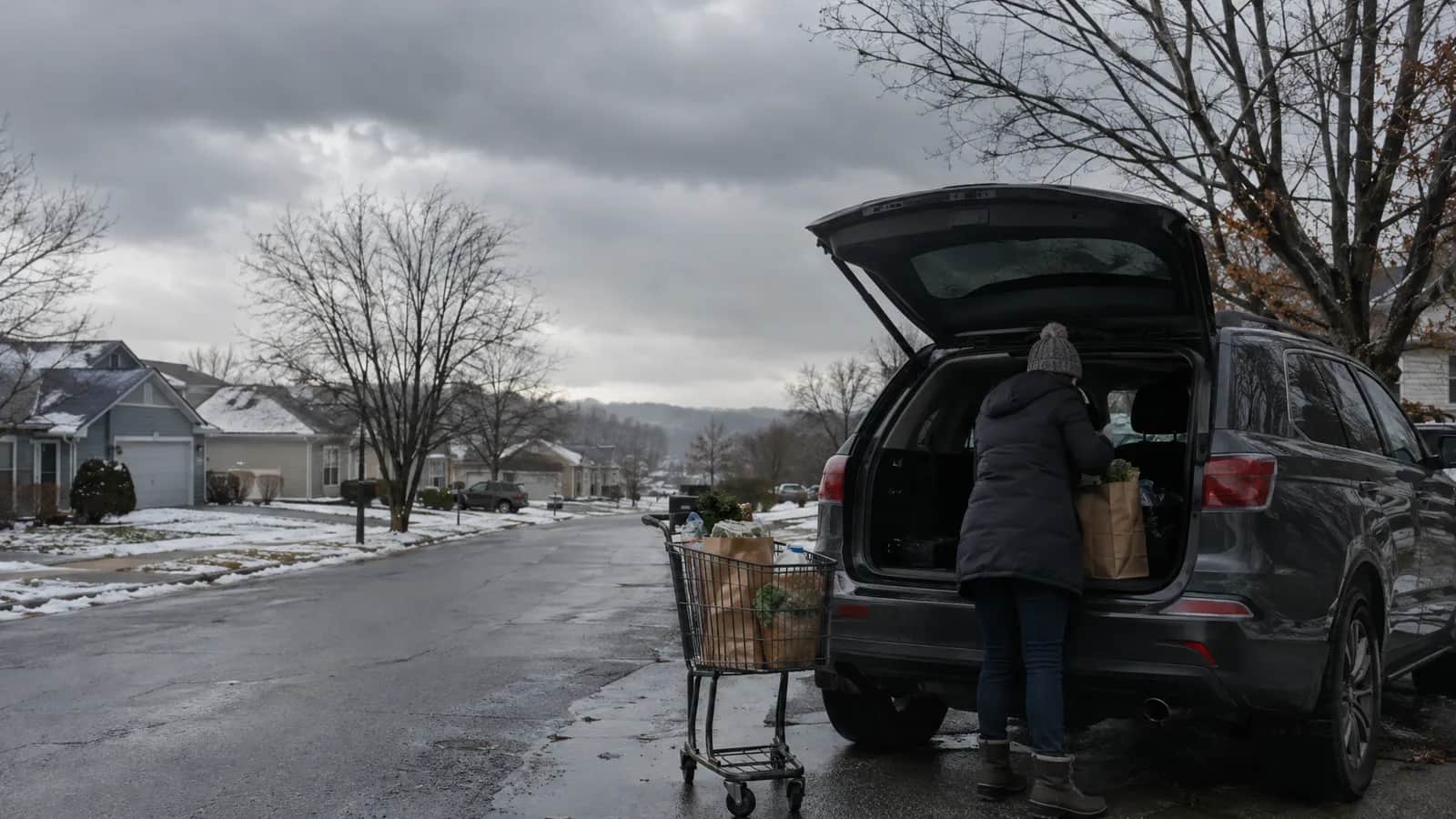
- Look at the forecast in the morning and again in the evening.
- Fill the gas tank before the storm arrives.
- Have several days of food and any medicines you take on hand.
- Charge phones completely before the weather turns.
- Think through how school or work might change.