Heavy snow warning
Updated
A heavy snow warning is what the National Weather Service now calls a Winter Storm Warning that lists heavy snow as a hazard. The separate product name ended in 2008. Thresholds vary by office; in the Baltimore/Washington forecast area, snow or sleet totaling at least 5 inches is the warning threshold, according to the NWS.
Right now1Winter storm warning in effectas of Snow totals by state, measured
WeatherTotals issues no alerts or warnings. Official warnings: weather.gov.
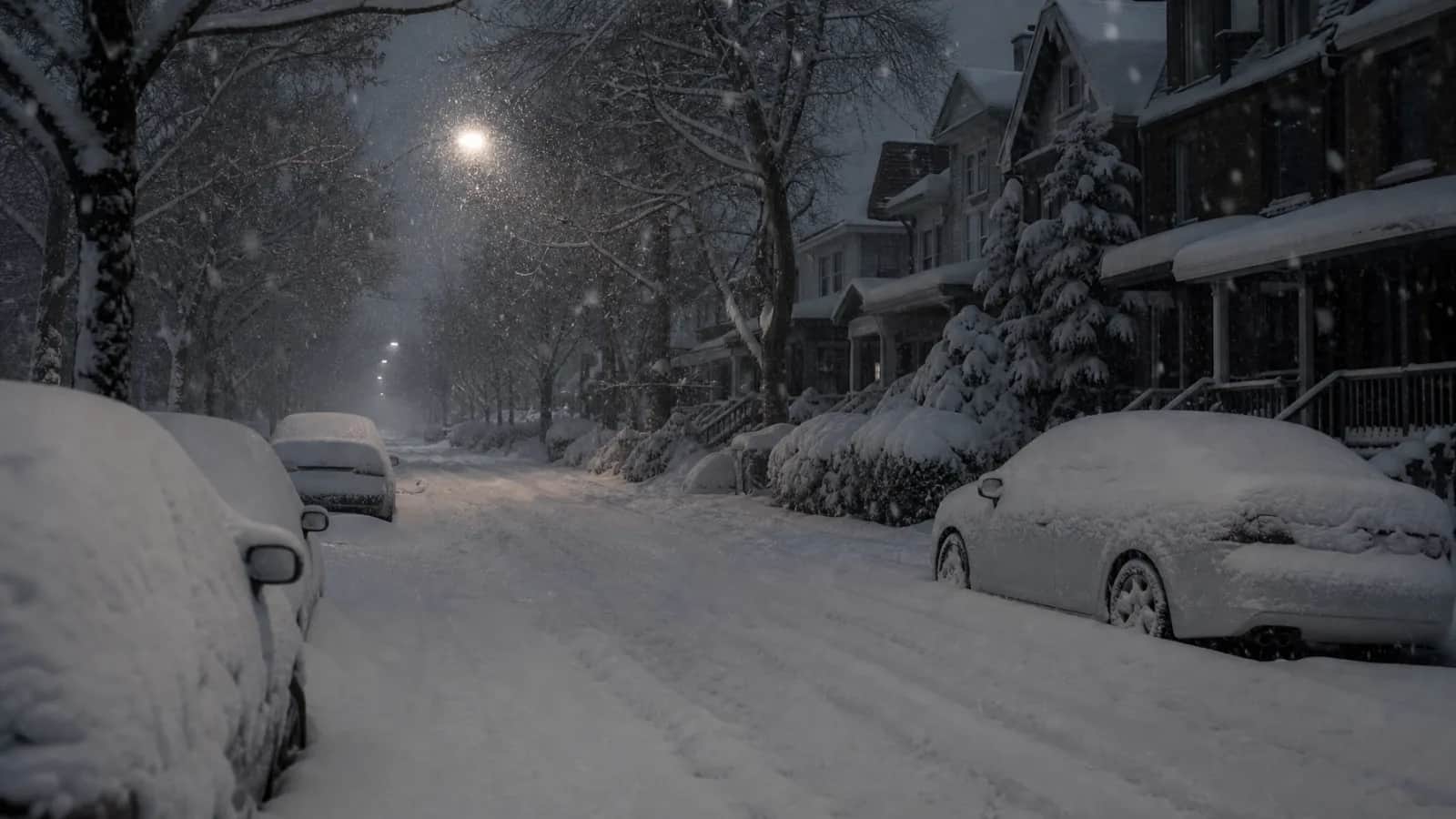
Heavy snow warning vs winter storm warning
Until the 2008-09 winter, the National Weather Service issued a standalone product called Heavy Snow Warning. A 2008 product consolidation folded it into the Winter Storm Warning, which now names heavy snow as one of the hazards it covers. You will see the name Winter Storm Warning on weather.gov and in phone alerts.
The phrase survives in news headlines, such as 'heavy snow warning issued for...' and in casual speech. Other countries keep the name as an official product; Environment Canada, for example, issues a Snowfall Warning. That helps explain why the older wording still feels familiar.
How much snow triggers a warning?
| Product | What it means | Typical snow amount (example) | Typical lead time |
|---|---|---|---|
| Winter Storm Watch | A heads-up that significant winter weather is possible. | No set amount; it comes before snow is certain. | The watch precedes the storm by 24 to 48 hours. |
| Winter Storm Warning | Significant winter weather is expected or happening; heavy snow is listed as the hazard. | Snow or sleet totals of 5 inches or more trigger a warning in the Baltimore/Washington area. | 12 to 36 hours ahead, replacing the watch. |
| Winter Weather Advisory | Minor winter weather that is an inconvenience, not a danger. | 2 to 4 inches in Baltimore/Washington; during rush hours in the metro, 1 inch is enough for the advisory. | Closer to the event; often issued when totals stay below warning levels. |
What should you do when one is issued?
Snowfall at warning level can be enough to make travel hard or unsafe. Schools and local government each decide on their own closures when that happens.
- Delay travel until the storm passes.
- If you must drive, carry a winter emergency kit in the car.
- Keep the gas tank full before you park.
- Charge phones and check on neighbors who may need help.
- Clear snow from exhaust vents after the storm ends.
After the storm
After a warning, WeatherTotals measures what actually fell. City and state totals appear here, with spotter reports arriving within hours; the snow totals by state page shows the measured outcome.